

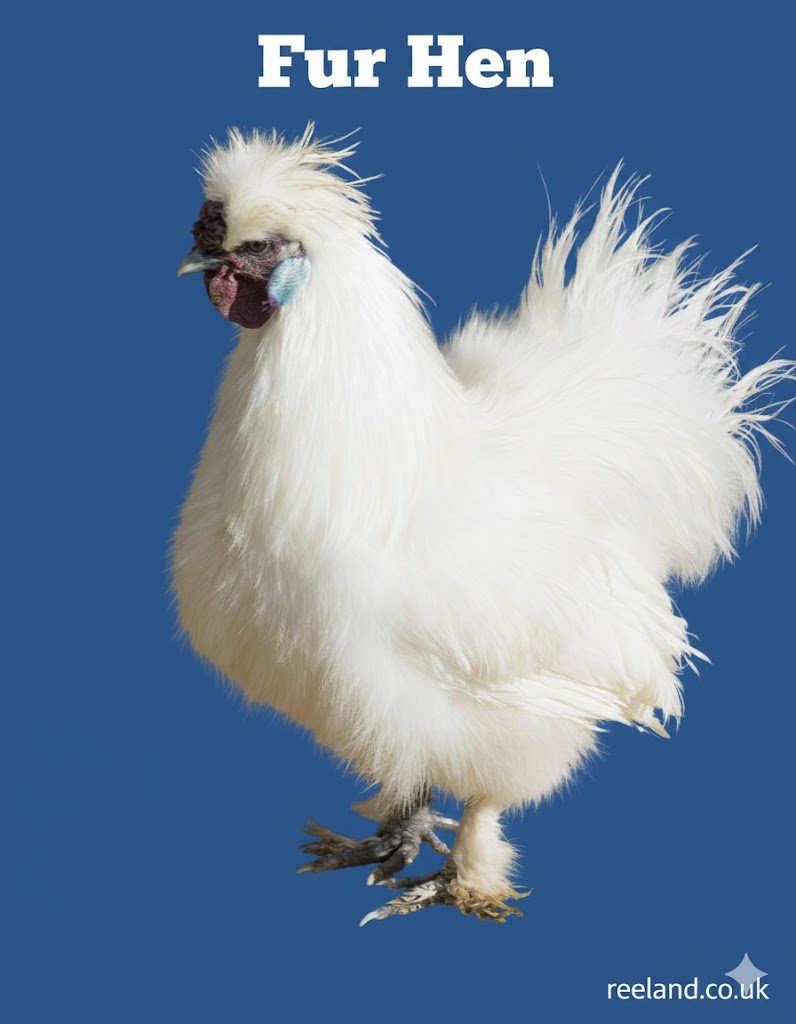
Introduction – What Is a Fur Hen?
The term “fur hen” has grown in popularity among poultry enthusiasts and on social media. It conjures an image of a bird with fur-like feathers, something seemingly more akin to a fluffy mammal than your typical chicken. However, despite its seemingly odd name, a “fur hen” refers to chickens with extraordinarily soft and plush feathers, which resemble fur more than the typical feathers we associate with chickens.
The term is commonly used to describe breeds with particularly fluffy plumage. While there’s no actual bird species formally recognized as “fur hen,” it’s a colloquial term used to describe specific breeds of chickens whose feathers appear soft and fuzzy, giving them an almost fur-like appearance.
In this article, we’ll explore what makes a fur hen so special, the breeds associated with them, how to care for them, and much more. If you’re interested in adding a unique, beautiful bird to your flock, read on to discover everything about the fascinating world of fur hens.
A. Origins of the Term “Fur Hen”
The term “fur hen” is a fairly recent addition to the world of backyard poultry terminology, and it doesn’t refer to any one particular breed. Rather, it’s an umbrella term for chickens with soft, fluffy, or fur-like plumage. While the word itself might suggest a completely different animal—like a cross between a bird and a mammal—it’s actually a playful descriptor based on how the feathers appear.
1. No Official Classification
The term fur hen doesn’t refer to any one breed, but it’s often used to describe chickens that have particularly fluffy, soft feathers. Some of these breeds have fur-like feathers, while others may have certain characteristics that make them appear “fluffier.”
For instance, Silkie chickens are often the most popular bird breed associated with this term because their plumage is soft, velvety, and so unique that it resembles fur more than feathers. Their feathers lack barbicels (the tiny hooks that normally hold feathers together), which causes them to feel like soft, downy fur.
This idea of chickens with fluffy or fur-like feathers quickly spread across internet platforms, particularly in online forums and social media, where backyard poultry enthusiasts and hobbyists have taken to using the term “fur hen” for these adorable and fluffy breeds.
B. What Is a Hen?
Before diving further into the specifics of fur hens, it’s essential to understand the general definition of a hen.
1. Hen: The Basics
A hen is simply an adult female chicken. Hens are commonly raised for their eggs, and they are one of the most popular farm animals around the world.
2. Hens in Culture and History
The history of hens and chickens dates back thousands of years, with their domestication thought to have started in Southeast Asia. Over time, chickens were bred for various purposes, such as egg production, meat, and even as pets. The domestic hen, while historically prized for its eggs and meat, has also gained popularity as a charming companion and ornamental bird.
C. Key Breeds Associated with Fur Hen
While many different chicken breeds exist, some stand out because of their extraordinarily fluffy or fur-like feathers, which makes them commonly associated with the term “fur hen.”
1. Silkie Chicken – The Classic Fur Hen
The Silkie chicken is by far the most famous and recognizable breed that fits the “fur hen” description. Originating in China, these chickens are beloved for their soft, downy feathers, which have a unique texture that resembles fur more than typical feathers. The Silkie is a perfect example of the bird described by the term “fur hen.”
Key Features of Silkie Chickens:
- Feathers: Silkies are most famous for their fluffy plumage, which feels soft and silky. Their feathers are missing the barbicels that hold normal feathers together, causing the feathers to stand out and appear incredibly fluffy.
- Personality: Silkie chickens are well-known for their gentle, calm, and friendly nature, making them excellent pets, especially for families with children.
- Egg Production: While they aren’t the best egg layers, Silkie hens still produce small, tinted eggs. They’re not known for egg-laying capacity, but they’re beloved for their charming appearance and friendly disposition.
- Broodiness: Silkies are excellent mothers and are often used for hatching eggs of other birds due to their natural instinct to go broody and sit on eggs.
2. Frizzle Chickens – The Fluffy Curly Breeds
Another group that is often linked with “fur hens” are Frizzle chickens. These chickens are known for their unusual curly feathers, which makes them appear fluffy and unique.
Key Features of Frizzle Chickens:
- Feathers: Frizzle chickens have curled feathers that stick out from their bodies, creating a fuzzy, frizzy look.
- Temperament: While they tend to be curious and social, they are not as cuddly as Silkies. They can be more active, but they still get along well with other chickens.
- Egg Production: Similar to Silkies, Frizzle chickens aren’t necessarily high egg producers, but they are wonderful pets for those who appreciate their unique appearance.
3. Cochin Chickens – Plump, Fluffy, and Beautiful
Cochin chickens are another breed that is often associated with fluffy or “fur-like” plumage. Their thick feathering, especially around their legs and bodies, makes them look plump and round.
Key Features of Cochin Chickens:
- Feathers: Cochins have an abundant amount of feathers covering their entire body, including their legs and feet, which gives them a round, fluffy appearance.
- Personality: Cochins are friendly and calm and are often kept for ornamental purposes. They are not known for being aggressive and are great companions for beginners in poultry keeping.
- Egg Production: Like Silkies and Frizzles, Cochins are moderate egg layers, meaning they will produce a few eggs each week but are not the most prolific egg producers.
D. Why Are Fur Hen Popular?
1. Aesthetic Appeal
Fur hens, particularly Silkie chickens, have a unique, attractive appearance that draws in poultry enthusiasts and anyone looking to add a bit of charm to their flocks. Their fluffy plumage makes them look almost like stuffed animals, making them a hit with kids and adults alike.
2. Friendly Personalities
Many fur hen breeds are known for their calm and friendly temperament. Chickens, in general, can have a range of personalities, but fur hens are typically gentle and docile. This makes them wonderful companions for families, especially when introducing children to animals.
3. Social Media Popularity
With their cute, fluffy appearance, fur hens are becoming internet celebrities. Social media platforms like Instagram, TikTok, and YouTube are full of adorable photos and videos of these chickens, which has led to increased interest in them. As a result, more people are keen on raising fur hens and sharing their experiences.
E. Caring for Fur Hen
While fur hens are adored for their fluffy feathers and charming personalities, they do require some specific care to stay healthy.
1. Proper Housing and Shelter
Because fur hens have softer feathers, they are more susceptible to wet conditions, which can cause their feathers to mat. As such, it’s important to provide them with dry, well-ventilated shelters. Ensure the coop is free from moisture, especially in cold or rainy weather.
2. Nutrition and Feeding
Fur hens generally eat the same food as other chickens, but they may benefit from extra protein and other nutritional supplements to support their delicate feathers. It’s important to offer a balanced diet of layer feed, fresh vegetables, and clean water to ensure they thrive.
3. Grooming and Cleaning
Although fur hens don’t need frequent grooming, their feathers may need occasional attention. This could include gently cleaning their feathers if they get dirty or wet. Regular inspections for parasites and lice are also essential to keep them in good health.
4. Mental Stimulation and Enrichment
Fur hens, like all chickens, need access to mental stimulation. Letting them forage, dust bathe, and interact with each other helps prevent boredom and keeps them happy and healthy. Chickens, in general, are very social, and fur hens thrive in groups.
F. Egg Production and Productivity
Although fur hens are charming and beautiful, they aren’t the best egg layers compared to other chicken breeds.
1. Egg Laying Frequency
For example, Silkie chickens typically lay 3-4 eggs per week, which is on the lower end of the egg-laying spectrum. Other breeds like Leghorns and Rhode Island Reds are more prolific producers, sometimes laying up to 7 eggs a week. If egg production is your primary goal, fur hens may not be the best choice.
2. Egg Size and Color
Fur hens usually produce small, tinted eggs. The color can vary, but they are typically pale brown or even cream-colored. These eggs may be smaller than the ones produced by high-yield layers, but they are still delicious and nutritious.
G. Myths and Misconceptions About Fur Hen
There are many myths and misconceptions surrounding fur hens, especially because they are so visually unique.
Myth 1: Fur Hens Are Fragile
While fur hens may appear delicate because of their soft feathers, they are not fragile. When cared for properly, they are as hardy as other chicken breeds. They may need a bit of extra care, especially in extreme weather conditions, but they are not any more fragile than other chickens.
Myth 2: Fur Hens Don’t Lay Eggs
This is one of the most common myths about fur hens. While their egg-laying capacity may not match some of the more productive breeds, they do lay eggs, just not in large quantities.
H. Fur Hen in Popular Culture
Fur hens have also made their way into popular culture, with many enthusiasts sharing their experiences on social media and forming communities dedicated to these fluffy birds.
1. The Growing Popularity of Fluffy Chickens
In recent years, people have become more interested in raising chickens as pets rather than for commercial purposes. Fur hens have capitalized on this trend, being loved for both their unique appearance and friendly nature. Social media platforms are now full of viral photos of these birds, which has fueled interest in keeping them as backyard pets.
2. Fur Hens and Sustainability
Backyard farming, including raising chickens like fur hens, is growing in popularity as people look for more sustainable ways of producing their own food. Raising chickens for eggs can reduce one’s reliance on industrial agriculture, and fur hens add a unique and fun twist to this growing trend.
I. Conclusion – Why Fur Hen Capture the Heart
Fur hens, particularly the Silkie chickens, are delightful and unique creatures that bring joy to anyone who keeps them. Their fluffy, fur-like feathers, gentle personalities, and friendly nature make them a perfect fit for many poultry enthusiasts, particularly those looking for a charming companion.
While they may not be the most prolific egg layers, their beautiful appearance and endearing nature make them well worth the care and attention they require. Whether you’re a first-time chicken owner or a seasoned poultry enthusiast, fur hens are an excellent addition to any flock.
By understanding their specific needs and providing them with the proper care, you can enjoy the company of these fascinating birds for many years to come.












Leave a Reply