

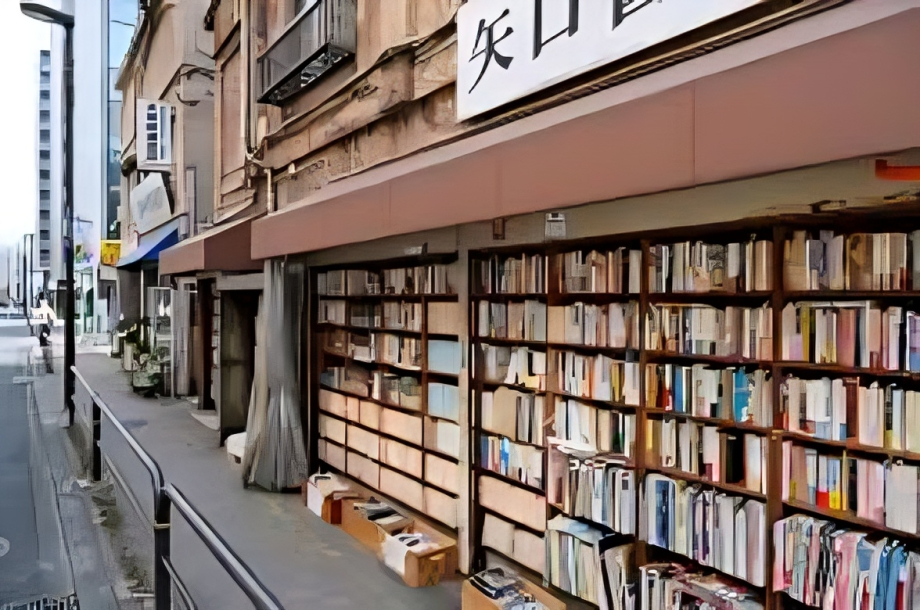
Tucked between some of Tokyo’s busiest commercial areas lies Jimbocho, a neighborhood that feels like a living library. Quietly confident and endlessly fascinating, Jimbocho is famous for its historic bookstores, academic roots, and deep connection to Japanese literary culture. For travelers, students, and book lovers alike, this area offers a slower, more thoughtful side of Tokyo that contrasts beautifully with the city’s high-energy districts.
What makes Jimbocho special is not just the sheer number of bookstores, but the atmosphere they create together. Walking its streets feels like stepping into a world shaped by ideas, history, and curiosity. Whether you’re searching for rare texts, vintage magazines, or simply a peaceful place to wander, Jimbocho delivers an experience that lingers long after you leave.
The Origins and History of Jimbocho
Jimbocho’s identity is deeply tied to education and publishing. The neighborhood grew alongside nearby universities and academic institutions, which created demand for textbooks, scholarly works, and research materials. Over time, bookstores multiplied, each specializing in different subjects and eras.
As decades passed, Jimbocho became a hub not only for students but also for writers, historians, and collectors. Many shops passed down through generations, preserving both inventory and traditions. This long history gives Jimbocho a sense of continuity that is rare in a constantly changing city like Tokyo.
“Jimbocho isn’t just a place to buy books. It’s a place where ideas have lived for generations.”
— Japanese Cultural Historian
Why Jimbocho Is Known as Tokyo’s Book Town
The nickname “Book Town” is not an exaggeration. Jimbocho is home to hundreds of bookstores packed into a relatively small area. These shops cover everything from modern paperbacks to centuries-old manuscripts.
What truly defines Jimbocho is specialization. One store may focus entirely on art books, while another is dedicated to foreign-language titles or out-of-print novels. This diversity turns a simple stroll into a treasure hunt, especially for collectors and researchers.
Even visitors who don’t read Japanese find joy here. The visual beauty of book-lined windows and handwritten shop signs creates a unique urban landscape.
The Atmosphere of Jimbocho’s Streets
Unlike many Tokyo neighborhoods, Jimbocho moves at a gentle pace. Streets feel calm, almost contemplative, even during busy hours. The sound of traffic fades behind quiet conversations and the turning of pages.
This atmosphere attracts people who enjoy slow exploration. It’s common to see readers sitting on benches, students comparing notes, or travelers pausing to photograph shopfronts. Jimbocho invites you to linger rather than rush.
The area’s understated charm is one of its greatest strengths.
Cafés and Curry Culture in Jimbocho
Beyond books, Jimbocho is also famous for its cafés and curry restaurants. Many cafés have been around for decades, offering dark wood interiors, handwritten menus, and a nostalgic feel.
Curry culture is especially strong here. Restaurants range from classic Japanese curry houses to experimental spots blending global flavors. For many visitors, enjoying a bowl of curry after browsing bookstores is a Jimbocho ritual.
These food spots add warmth and comfort, making Jimbocho a place where intellectual and sensory pleasures meet.
Jimbocho and Academic Life
Jimbocho’s close connection to universities shapes its daily rhythm. Students frequently visit to buy used textbooks, reference materials, and academic journals at affordable prices.
This academic presence keeps the neighborhood intellectually alive. Conversations overheard in cafés often revolve around research topics, philosophy, or literature.
For visitors, this academic energy adds authenticity. Jimbocho feels lived-in, purposeful, and deeply connected to learning.
A Haven for Collectors and Researchers
For serious collectors, Jimbocho is nothing short of legendary. Rare editions, first printings, and niche publications can often be found tucked away in small shops.
Researchers value Jimbocho not just for availability, but for expertise. Many shop owners possess deep knowledge of their collections and happily guide customers to specific works.
This human element sets Jimboco apart from modern bookstores and online marketplaces.
Exploring Jimbocho as a Traveler
Travelers often discover Jimboco by accident, yet it quickly becomes a favorite. Its central location makes it easy to include in a Tokyo itinerary, especially for those seeking cultural depth.
Even without buying books, visitors enjoy wandering, browsing covers, and absorbing the atmosphere. Jimboco rewards curiosity rather than efficiency.
It’s a reminder that travel doesn’t always need major landmarks to feel meaningful.
Seasonal Charm and Special Events
Jimbocho changes subtly with the seasons. In spring, nearby trees add softness to the streets. Autumn brings cooler air that makes bookstore browsing especially enjoyable.
Occasional book fairs and cultural events draw crowds while maintaining the neighborhood’s calm spirit. These gatherings highlight Jimboch’s role as a living cultural center rather than a static attraction.
Seasonal visits reveal new sides of the area each time.
“Every season gives Jimboco a different mood, but the soul stays the same.”
— Local Bookshop Owner
How Jimbocho Compares to Other Tokyo Districts
To understand Jimboco’s uniqueness, it helps to compare it with other popular Tokyo areas.
| Area | Primary Focus | Overall Vibe |
|---|---|---|
| Jimbocho | Books and culture | Quiet and intellectual |
| Shibuya | Fashion and nightlife | Energetic and youthful |
| Akihabara | Electronics and anime | Playful and intense |
| Asakusa | Tradition and tourism | Historic and lively |
This comparison shows why Jimboco appeals to travelers seeking calm and authenticity.
Tips for Enjoying Jimbocho Fully
The best way to experience Jimboho is without a strict plan. Allow time to wander, step into shops that catch your eye, and pause for coffee.
Comfortable walking shoes help, as exploration happens mostly on foot. Bringing an open mind is just as important, since some of the best discoveries are unexpected.
Jimboco rewards patience and curiosity more than speed.
The Cultural Significance of Jimbocho Today
In an era of digital reading, Jimboho remains relevant by embracing its strengths. Physical books, expert knowledge, and personal interaction keep the area vibrant.
Rather than competing with technology, Jimboco complements it. Many visitors come specifically to escape screens and reconnect with tactile experiences.
This balance ensures Jimboco’s continued importance in modern Tokyo.
Conclusion: Why Jimbocho Is Worth Your Time
Jimbocho is more than a neighborhood; it’s a mindset. It represents curiosity, learning, and respect for knowledge in a city often defined by speed.
For travelers, Jimboco offers something rare: a chance to slow down and engage with Tokyo on a deeper level. Whether you’re a book lover or simply curious, a visit leaves a lasting impression.
In the end, Jimboco proves that quiet places can be just as powerful as famous landmarks.
FAQ
What is Jimbocho best known for?
Jimboco is best known for its large concentration of bookstores and its strong connection to academic and literary culture.
Is Jimbocho worth visiting if I don’t read Japanese?
Yes, Jimboch is worth visiting even if you don’t read Japanese, as the atmosphere, cafés, and visual charm are enjoyable on their own.
How much time should I spend in Jimbocho?
Most visitors spend a few hours in Jimboco, but book lovers can easily spend an entire afternoon exploring.
What kind of food is Jimbocho famous for?
Jimboco is especially famous for curry restaurants and traditional cafés that complement its bookstore culture.
Is Jimbocho suitable for first-time Tokyo visitors?
Jimboco is suitable for first-time visitors who want a quieter, more cultural experience alongside Tokyo’s major attractions.








Leave a Reply