

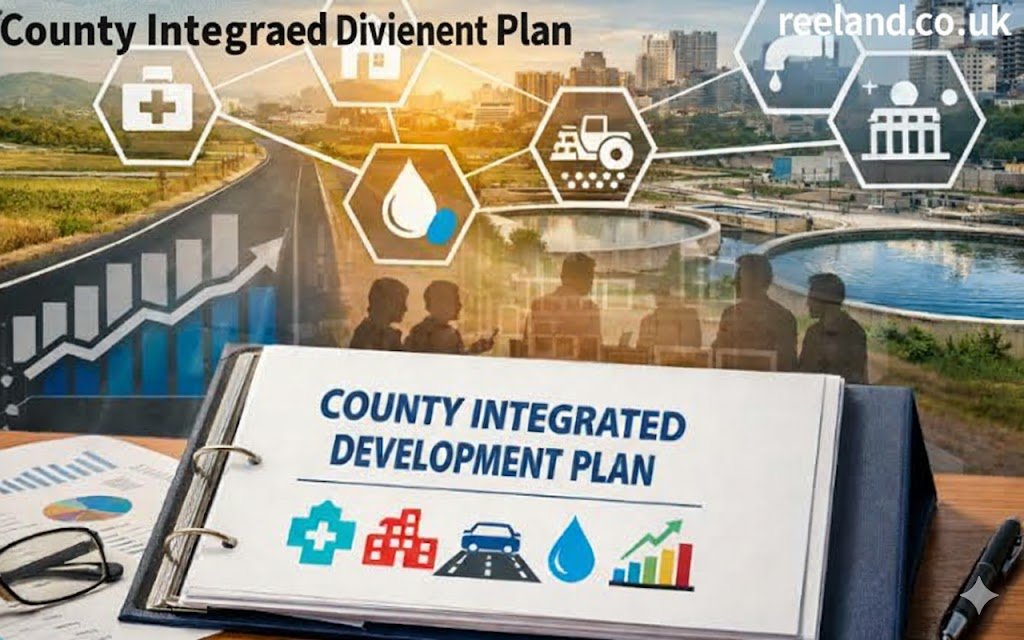
In Kenya, the County Integrated Development Plan (CIDP) is a critical tool used by counties to plan, prioritize, and implement development projects. These plans are essential for guiding the direction of economic, social, and infrastructural development at the county level. With the devolution of power in Kenya, CIDPs have become central to local governance, ensuring that resources are allocated effectively to meet the needs of the local population. In this article, we will explore the County Integrated Development Plan’s, its guidelines, the process involved, its importance, and how it impacts the development of various counties in Kenya.
What Is a County Integrated Development Plan (CIDP)?
A County Integrated Development Plan (CIDP) is a comprehensive planning document that outlines the development priorities, policies, strategies, and resource allocation for a county over a five-year period. The CIDP is a product of the County Governments Act 2012 and is prepared by county governments to guide development and ensure that the resources are used to meet the needs of the people in the county.
The CIDP is more than just a planning document; it is a strategic tool for counties to implement programs and projects that contribute to national goals and the Kenya Vision 2030. Each county must prepare its own CIDP in line with the national development agenda, which aims to address issues such as infrastructure, healthcare, education, agriculture, and economic development at the county level.
Importance of County Integrated Development Plans
The importance of the County Integrated Development Plan cannot be overstated. These plans are the blueprint for development at the county level, ensuring that all sectors work in harmony toward achieving the desired outcomes. Here are some of the key benefits of CIDPs:
1. Resource Allocation and Budgeting
CIDPs play a crucial role in ensuring effective resource allocation. The plans provide a framework for budget preparation at the county level, ensuring that funds are allocated based on the development priorities identified in the CIDP. This helps counties avoid misallocation of resources and ensures that critical projects are adequately funded.
2. Public Participation
One of the core principles behind the CIDP process is public participation. Counties are required to involve the public in the preparation of the CIDP to ensure that the development priorities reflect the needs and aspirations of the people. This inclusivity fosters transparency and accountability in local governance.
3. Long-term Vision and Development
The CIDP provides a long-term development framework for counties, guiding them on the strategic priorities over a five-year period. This ensures that development is not only focused on short-term goals but also on long-term sustainability and growth.
4. Monitoring and Evaluation
CIDPs also serve as a tool for monitoring and evaluating the progress of development projects. Counties can assess whether the set objectives are being met and make adjustments to their strategies as necessary.
Guidelines for Preparing a County Integrated Development Plan
The preparation of the County Integrated Development Plan is guided by specific guidelines set by the National Treasury and the Ministry of Devolution and Planning. These guidelines provide a structured approach to preparing the CIDP, ensuring that all counties follow a uniform process. Here are the main steps involved in preparing the CIDP:
1. Situational Analysis
The first step in preparing the CIDP is a situational analysis. This involves analyzing the current state of affairs in the county, including the social, economic, political, and environmental challenges and opportunities. It also includes reviewing past development plans, assessing the progress made, and identifying gaps.
2. Public Participation
Public participation is a key requirement for preparing the CIDP. Counties must hold forums and consultations with residents, civil society organizations, the private sector, and other stakeholders to gather input on the development priorities for the county. This ensures that the CIDP reflects the needs and aspirations of the people.
3. Setting Strategic Objectives and Priorities
Based on the situational analysis and public input, counties set strategic objectives for the five-year period. These objectives are aligned with national development goals, including the Kenya Vision 2030, the Big Four Agenda, and the Sustainable Development Goals (SDGs). Counties identify priority areas for development, such as education, healthcare, infrastructure, and agriculture.
4. Resource Mobilization and Budgeting
The next step is to identify the resources needed to implement the development priorities. This involves estimating the financial requirements for each project and identifying potential sources of funding. The county budget is then aligned with the CIDP, ensuring that resources are allocated in line with the county’s priorities.
5. Preparation of the CIDP Document
Once the objectives, priorities, and resources have been defined, the CIDP document is prepared. This document includes:
- County profile and demographic data
- Situational analysis and challenges
- Strategic objectives and development goals
- Priority projects and programs
- Financial plan and resource mobilization strategies
- Monitoring and evaluation framework
The CIDP is then submitted to the County Assembly for approval.
County Integrated Development Plans in Kenya
Each county in Kenya is required to prepare its own CIDP, tailored to its specific needs and priorities. Below are examples of CIDPs from various counties:
1. Nairobi County Integrated Development Plan
The Nairobi County Integrated Development Plan (2018‑2022) outlines key development priorities such as improving urban infrastructure, reducing traffic congestion, expanding access to healthcare, and boosting economic growth through innovation and technology. The plan also emphasizes the need to address environmental concerns, particularly waste management and green spaces.
2. Kisumu County Integrated Development Plan
The Kisumu County Integrated Development Plan (2018‑2022) focuses on boosting the local economy through tourism, agriculture, and trade. The plan also prioritizes healthcare, education, and the improvement of infrastructure, particularly roads and water supply. The county aims to improve its status as a regional hub for commerce and innovation.
3. Nakuru County Integrated Development Plan
The Nakuru County Integrated Development Plan (2018‑2022) aims to transform Nakuru into an economic powerhouse by promoting agricultural productivity, improving road networks, and investing in industrial development. The plan also focuses on improving healthcare and education services and ensuring sustainable use of natural resources.
4. Turkana County Integrated Development Plan
Turkana County Integrated Development Plan emphasizes water conservation, food security, and access to healthcare. The plan focuses on addressing the county’s unique challenges, including its arid climate and remote location, through infrastructural improvements, education, and economic diversification.
5. Kajiado County Integrated Development Plan
The Kajiado County Integrated Development Plan (2018‑2022) focuses on enhancing education, improving healthcare access, boosting tourism, and sustainable use of land resources. The county also seeks to enhance its road networks, promote trade, and empower local communities.
6. Wajir County Integrated Development Plan
The Wajir County Integrated Development Plan prioritizes infrastructure development, particularly roads and water systems, and improving security in the region. Agriculture and livestock development are also key areas for growth, alongside boosting access to education and healthcare services.
Challenges and Opportunities in Implementing County Integrated Development Plans
While the County Integrated Development Plan process offers many advantages, there are several challenges in its implementation. These challenges include:
- Limited Financial Resources: Counties may struggle to secure the necessary funding to implement their development priorities, especially given the competing needs in rural areas.
- Political Influence: Political interference in the planning and implementation process may affect the focus of the CIDP, prioritizing projects that may not align with the county’s long-term development goals.
- Weak Coordination: The lack of coordination between various county departments and stakeholders can lead to inefficiencies in project implementation.
However, opportunities such as increased public participation, the availability of development partners, and the potential for leveraging technology in governance offer hope for overcoming these challenges and improving the CIDP process.
Conclusion: The Importance of County Integrated Development Plans
The County Integrated Development Plan (CIDP) is an indispensable tool for local governance and development in Kenya. By providing a clear roadmap for prioritizing, funding, and implementing development projects, CIDPs ensure that counties address the needs of their citizens in an organized and efficient manner. Through public participation, resource mobilization, and strategic planning, CIDPs play a key role in driving Kenya’s development agenda at the county level.
As Kenya continues to embrace devolution, the County Integrated Development Plans will remain central to fostering economic growth, social equity, and sustainable development across the country’s diverse regions.
















Leave a Reply