

Introduction
Koriandri is a term that refers to the herb Coriandrum sativum, more commonly known as coriander or cilantro in various parts of the world. This versatile herb has a rich history, is commonly used in culinary practices, and holds a strong place in traditional medicine across many cultures. From its seeds used as a spice to its fresh leaves that add flavor to dishes, koriandri is one of the most cherished herbs worldwide.
In this article, we will explore everything you need to know about koriandri: its history, uses in cooking, health benefits, how to grow it, and some interesting facts about the herb.
1. What is Koriandri?
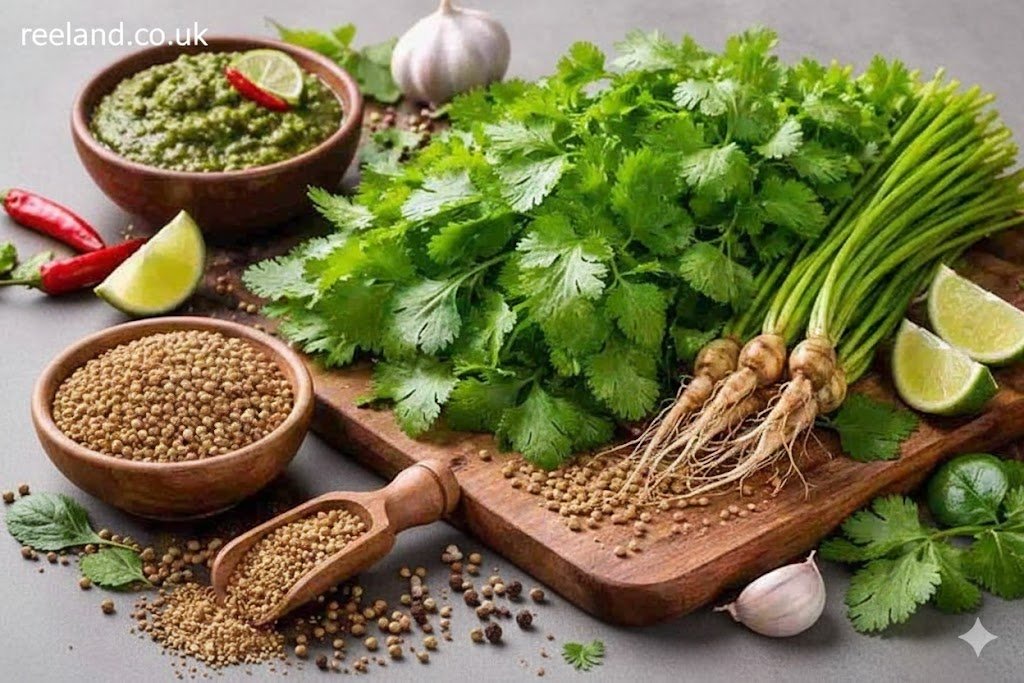
Koriandri (or coriander, cilantro) is a herb that belongs to the Apiaceae family, which also includes other plants like parsley, carrots, and fennel. While its leaves are commonly known as cilantro in many parts of the world, especially in the Americas, the dried seeds are known as coriander. Both parts of the plant are utilized differently, giving it a broad spectrum of uses in food, medicine, and even cosmetic products.
- Scientific Name: Coriandrum sativum
- Family: Apiaceae
- Common Names: Koriandri, coriander, cilantro, Chinese parsley, dhania, malli
- Parts Used: Leaves (cilantro), seeds (coriander), roots (used in some cultures)
Koriandri is not just a culinary herb; it is also a source of essential oils and nutrients, making it a powerful ingredient for both cooking and wellness.
2. History and Etymology of Koriandri
The name “koriandri” traces back to ancient times. The herb’s name comes from the Greek word koríandron, which was derived from kóris, meaning “bedbug”. This is because the leaves of the coriander plant have a strong aroma that some people associate with the smell of bedbugs.
2.1 Ancient Use
Koriandri has a long history of use in culinary and medicinal practices. It is believed to have originated in Asia Minor (modern-day Turkey) and the Mediterranean region. Archaeological evidence suggests that coriander was cultivated by ancient Egyptians, Greeks, and Romans.
In ancient Egypt, coriander was used both as a spice and for medicinal purposes. The seeds were found in tombs, implying that they were considered valuable enough for use in the afterlife.
3. Culinary Uses of Koriandri
Koriandri is a versatile ingredient in cooking, offering two distinct flavors depending on the part of the plant used. The fresh leaves (cilantro) have a bright, citrusy flavor that is commonly added to fresh salads, sauces, and as garnishes. The dried seeds (coriander), on the other hand, have a warm, spicy, and slightly sweet flavor that makes them ideal for use in cooking and spice blends.
3.1 Leaves (Cilantro)
- Flavor Profile: Fresh, citrusy, and slightly peppery.
- Common Uses:
- Used in Mexican, Indian, Middle Eastern, and Southeast Asian cuisines.
- Added to salsas, guacamole, curries, soups, and salads.
- Used as a garnish for dishes like tacos, soup, and fried rice.
Cilantro has a unique taste that people either love or dislike, with some individuals being genetically predisposed to perceive it as soapy or unpleasant due to specific compounds in the leaves.
3.2 Seeds (Coriander)
- Flavor Profile: Warm, nutty, and spicy with citrusy undertones.
- Common Uses:
- Ground or whole, coriander seeds are widely used in Indian curry blends, such as garam masala.
- Incorporated into pickling mixes, soups, stews, and roasted meats.
- Often used in bakery goods like bread and cakes.
In addition to its culinary uses, coriander seeds are a common ingredient in spice mixes for grilling meats, marinades, and even in some alcoholic beverages like gin.
3.3 Koriandri in Global Cuisines
From Indian to Mexican to Middle Eastern cuisine, koriandri is universally appreciated for its ability to enhance both the flavor and aroma of dishes. It’s integral to many traditional dishes such as:
- Indian cuisine: Coriander chutney, dal curry, sambar.
- Mexican cuisine: Tacos, salsa, guacamole.
- Middle Eastern cuisine: Tabbouleh, hummus, falafel.
- Southeast Asian cuisine: Used in Thai, Vietnamese, and Indonesian dishes like pho and satay.
4. Nutritional Benefits of Koriandri
In addition to its culinary uses, koriandri is packed with vitamins, minerals, and antioxidants, making it a great addition to a healthy diet. Both cilantro and coriander seeds offer various nutrients, though the profile differs slightly between the leaves and seeds.
4.1 Nutritional Benefits of Fresh Cilantro (Leaves)
- Vitamins: High in Vitamin A, Vitamin C, Vitamin K, and folate.
- Minerals: Rich in potassium, magnesium, and iron.
- Fiber: Contains moderate amounts of dietary fiber.
4.2 Nutritional Benefits of Coriander Seeds
- Vitamins and Minerals: A good source of calcium, iron, and magnesium.
- Essential Oils: Contains linalool and pinene, compounds that contribute to its aromatic and medicinal properties.
- Antioxidants: Coriander seeds have antioxidant properties, which help in neutralizing free radicals and reducing oxidative stress.
5. Health Benefits of Koriandri
Koriandri is much more than just a flavorful herb — it also offers a range of health benefits that have been recognized in both traditional medicine and modern health practices.
5.1 Supports Digestive Health
Coriander and cilantro have been traditionally used to relieve digestive issues, such as bloating, indigestion, and nausea. It is also believed to improve the digestive system’s ability to absorb nutrients and reduce symptoms of gastritis.
5.2 Antioxidant Properties
Koriandri is rich in antioxidants, which help protect cells from oxidative damage caused by free radicals. This makes it a potential natural remedy for various chronic diseases and can contribute to anti-aging benefits.
5.3 Blood Sugar Regulation
Some studies have shown that coriander seeds may have the potential to help lower blood sugar levels, making it beneficial for individuals with diabetes or those at risk. The herb has been used in traditional medicine for its purported ability to stabilize blood sugar.
5.4 Antimicrobial and Anti-inflammatory Effects
Coriander has antibacterial, antifungal, and anti-inflammatory properties, making it useful for treating skin infections, inflammation, and bacterial conditions. This has led to its inclusion in many herbal remedies and topical products.
5.5 Detoxification and Heavy Metal Removal
Coriander is believed to have detoxifying properties, particularly when it comes to removing heavy metals like mercury and lead from the body. Its ability to bind to these toxins and help expel them through urine makes it a valuable herb for detox regimens.
6. How to Grow Koriandri at Home
Growing your own koriandri’s is a rewarding experience. The herb is easy to cultivate and can thrive in pots, garden beds, or indoor spaces.
6.1 Growing Cilantro (Fresh Leaves)
- Sunlight: Cilantro needs full sunlight or light partial shade.
- Soil: Well-draining, loamy soil is best for healthy growth.
- Water: Regular watering to keep the soil moist but not waterlogged.
- Temperature: Cilantro grows well in cooler weather (15-20°C) and can bolt (flower and go to seed) in hot weather.
- Harvesting: Regularly cut leaves to encourage new growth, but do so before the plant flowers for the best flavor.
6.2 Growing Coriander Seeds
- Spacing: If growing coriander for seeds, space plants further apart to allow room for seed production.
- Pollination: Coriander flowers attract bees, which pollinate the plants to create the seeds.
- Harvesting: Wait until the plant’s flowers turn into brown, dry seeds before harvesting them.
7. Interesting Facts About Koriandri
- Cultural Significance: In some cultures, coriander is thought to bring good luck and is used in weddings and festivals.
- Health Benefits Across Cultures: In Ayurveda, coriander is recommended for improving digestion and cooling the body.
- Genetic Variance in Taste: Some people find cilantro’s taste unpleasant, which is due to a specific gene that makes certain compounds in cilantro taste like soap.
8. Conclusion
Koriandri is much more than just an herb found in kitchens across the globe. Whether it’s the fresh leaves (cilantro) or the aromatic seeds (coriander), this herb offers exceptional culinary versatility and provides a wide array of health benefits. From aiding digestion and regulating blood sugar to providing antioxidants and detoxifying properties, koriandri plays an integral role in both traditional healing and modern wellness practices.
Whether you’re adding cilantro to a vibrant salsa or using coriander seeds in a flavorful curry, you’re benefiting from an herb that has been cherished for thousands of years. So, whether you grow it at home or purchase it from your local store, koriandri is undoubtedly a must-have in both the kitchen and the wellness cabinet.










Leave a Reply