

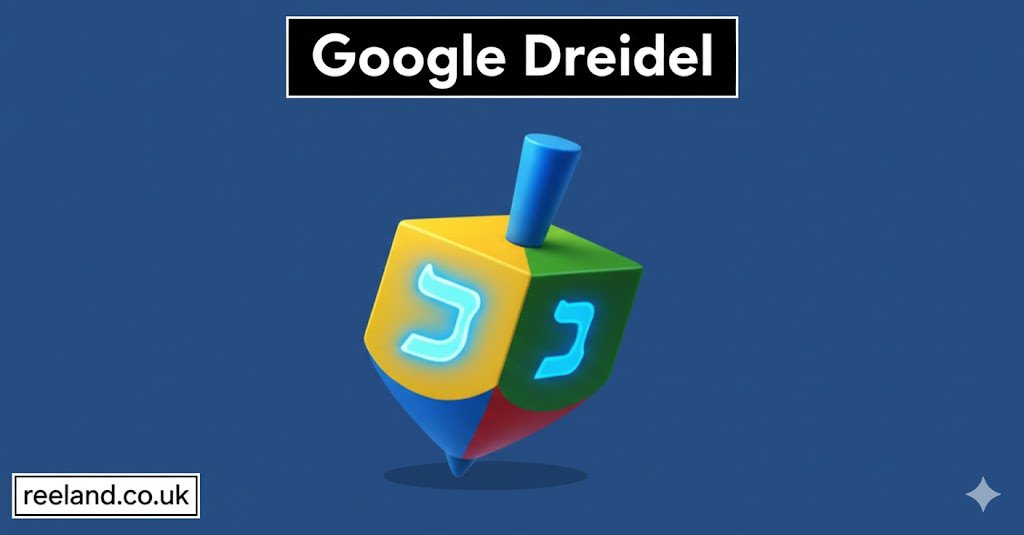
Google Dreidel represents a unique fusion of traditional Jewish culture and the modern, digital world. For centuries, the dreidel has been a central part of the Jewish celebration of Hanukkah. In recent years, however, it has found a new home on the internet, thanks to Google’s interactive Doodles. These digital interpretations of the classic game offer a fun and accessible way for people around the world to engage with a meaningful Jewish tradition, all while playing a game that has stood the test of time.
In this article, we will explore the origins, history, cultural significance, and rules of the dreidel, the role it plays during Hanukkah, and how Google Dreidel brings this ancient game into the digital age.
1. The Dreidel: Origins and Cultural Significance
1.1 What Is a Dreidel?
The dreidel is a four-sided spinning top that is traditionally used during the Jewish holiday of Hanukkah. It is a simple, yet meaningful object, each side inscribed with a Hebrew letter. These letters have deep cultural and historical significance, representing the story of Hanukkah, a holiday that commemorates the miracle of the oil in the Second Temple of Jerusalem.
The dreidel game is played by children and adults alike, and it is traditionally played with tokens such as chocolate coins (gelt), small candies, or other edible treats. Each player spins the dreidel, and the letter that lands face-up determines what action the player must take — whether they take tokens from the pot, add to it, or do nothing at all.
1.2 The Meaning Behind the Letters
Each side of the dreidel is marked with a Hebrew letter:
- נ (Nun)
- ג (Gimel)
- ה (Hei)
- ש (Shin)
Together, these letters form the acronym “נס גדול היה שם” (Nes Gadol Hayah Sham), which means “A great miracle happened there”, referring to the miracle of the oil that burned for eight days in the Second Temple in Jerusalem. In Israel, however, the letter ש (Shin) is replaced with פ (Peh), and the phrase becomes “A great miracle happened here” (Nes Gadol Hayah Po).
1.3 How the Dreidel Game Is Played
The game of dreidel is played by spinning the top and performing actions based on which letter faces up when the dreidel stops spinning. Each letter corresponds to the following actions:
- Nun (נ): Nothing happens. The player’s turn is over.
- Gimel (ג): The player takes all the tokens from the pot.
- Hei (ה): The player takes half of the tokens from the pot.
- Shin (ש): The player must add one token to the pot.
Players take turns spinning the dreidel, and the game continues until one player has won all the tokens or the players decide to stop.
The game is simple, yet it brings people together to celebrate Hanukkah and reflect on the miracle that the holiday represents. It has been a beloved tradition for generations, creating moments of joy, togetherness, and connection.
2. The Google Dreidel: Bringing Tradition to the Digital Age
2.1 The Evolution of Google Doodles
Google is known for its Doodles — custom logos that appear on its homepage to celebrate holidays, significant events, and important historical moments. These Doodles often transform Google’s standard logo into something unique and engaging. Some Doodles are purely visual, while others are interactive games that invite users to participate.
One of the most memorable and culturally significant Google Doodles is the Google Dreidel — an interactive version of the traditional dreidel game, released during the Hanukkah season. This digital Doodle allowed users to spin a virtual dreidel on their computer or mobile screen, mimicking the physical game of dreidel.
2.2 The First Google Dreidel Doodle
In 2016, Google released its first interactive dreidel game as a Google Doodle. The Doodle was available for a limited time during Hanukkah and allowed users to click on a dreidel icon on the homepage to spin it. The game was based on the traditional rules of the dreidel game, with the same Hebrew letters and actions associated with each letter.
Players would spin the dreidel by clicking or tapping on it. After each spin, the letter that faced up determined the action, just like in the traditional dreidel game. If the dreidel landed on Gimel, the player would win the entire pot; if it landed on Hei, they would win half the pot, and so on. This version of the game allowed anyone with an internet connection to participate in the fun and festive activity, no matter where they were.
2.3 Google Dreidel as an Educational Tool
In addition to being a fun game, the Google Dreidel Doodle served as an educational tool. Many people, especially those unfamiliar with Jewish culture or traditions, were introduced to the history of the dreidel game and its connection to the miracle of Hanukkah. The Doodle helped educate users about Hanukkah, the dreidel’s symbolism, and the significance of the Hebrew letters on the dreidel.
Through this interactive experience, Google effectively shared the cultural heritage of Hanukkah with a broader, more global audience, helping to bridge gaps in cultural knowledge and understanding. This is in line with Google’s mission to celebrate diversity, promote inclusivity, and educate people worldwide about different cultures and traditions.
3. Cultural Significance of the Google Dreidel
While the Google Dreidel Doodle may seem like a fun, digital game, it holds deeper cultural significance. It represents the intersection of tradition and innovation, where an ancient Jewish game is reimagined in a modern, accessible format. In this way, Google Dreidel helps preserve Jewish culture and ensure its continued relevance in the digital age.
3.1 Bridging Tradition with Technology
The traditional dreidel game has been passed down for generations, but in the digital age, Google Dreidel has found a way to bring it into people’s homes in a new way. The Doodle allows users to interact with the dreidel game through technology, bridging the gap between history and modern life. While the dreidel itself remains a physical object, the Google Dreidel serves as a perfect example of how cultural traditions can evolve with technology while maintaining their original meaning.
3.2 Promoting Global Awareness of Hanukkah
One of the greatest impacts of the Google Dreidel Doodle is how it helps promote awareness of the Hanukkah holiday and Jewish culture. The Doodle encourages users from all over the world to engage with the holiday in a fun and interactive way. This not only educates people about Jewish traditions but also helps foster understanding and respect for cultural diversity.
By including Hanukkah as a subject of celebration, Google continues to highlight the importance of cultural representation in global digital spaces. This move shows that even holidays like Hanukkah, which may not be as widely celebrated in some parts of the world, can still be embraced and appreciated on a global scale.
4. The Google Dreidel Doodle as Part of a Broader Tradition
4.1 Digital Celebration of Jewish Holidays
The Google Dreidel Doodle is part of a larger trend in which Google uses its platform to celebrate a wide variety of cultural and religious holidays. From Diwali to Christmas, Google Doodles serve as a way for people around the world to connect with and learn about different cultures and customs. By participating in these Doodles, users engage in a shared experience of cultural exchange.
In recent years, other Jewish holidays have also been highlighted through Google Doodles. For example, Google has featured Rosh Hashanah, the Jewish New Year, and Passover in its Doodle series, helping further promote the awareness and celebration of Jewish traditions.
4.2 The Role of Google in Promoting Cultural Inclusivity
Google’s efforts to feature Jewish holidays, including Hanukkah and Google Dreidel, reflect the company’s commitment to cultural inclusivity. In a digital world that is often dominated by mainstream holidays like Christmas, Google’s Doodles create a space where lesser-known holidays can be recognized and celebrated.
The Google Dreidel Doodle, in particular, helps bring attention to a tradition that may otherwise go unnoticed outside of Jewish communities. By featuring the dreidel game on its homepage, Google brings Jewish culture into the digital conversation, helping people from all walks of life understand and appreciate the richness of Jewish history and tradition.
5. Conclusion: Google Dreidel as a Celebration of Tradition and Innovation
The Google Dreidel Doodle is more than just a fun game; it is a celebration of Jewish culture, a bridge between tradition and modern technology, and a tool for cultural awareness. By reimagining the traditional dreidel game in a digital format, Google has helped bring a timeless tradition into the digital age, allowing people around the world to experience Hanukkah in an interactive and engaging way.
As technology continues to shape the way we celebrate holidays and traditions, the Google Dreidel Doodle stands as a testament to the power of digital innovation in preserving and sharing cultural heritage. Through this playful, interactive Doodle, Google not only honors the miracle of Hanukkah but also celebrates the diversity of the world’s cultures.
The Google Dreidel Doodle has ensured that the dreidel game — a symbol of Jewish resilience and joy — continues to be enjoyed by generations to come, both online and in homes around the world. In this way, Google has demonstrated how tradition and technology can come together to create meaningful, fun, and educational experiences for people everywhere.


















Leave a Reply