

Introduction
The Tesla China Battery Project and Renewable Energy initiative represents one of Tesla’s most significant moves beyond electric vehicles into clean energy infrastructure. By building a large-scale Megapack battery factory in Shanghai and deploying grid-scale energy storage systems, Tesla is addressing the growing demand for reliable, renewable electricity in China. These efforts support the integration of solar and wind energy, stabilize the electricity grid, and reduce reliance on fossil fuels, marking a major contribution to global renewable energy deployment.
Tesla Megapack Batteries and Renewable Energy Integration
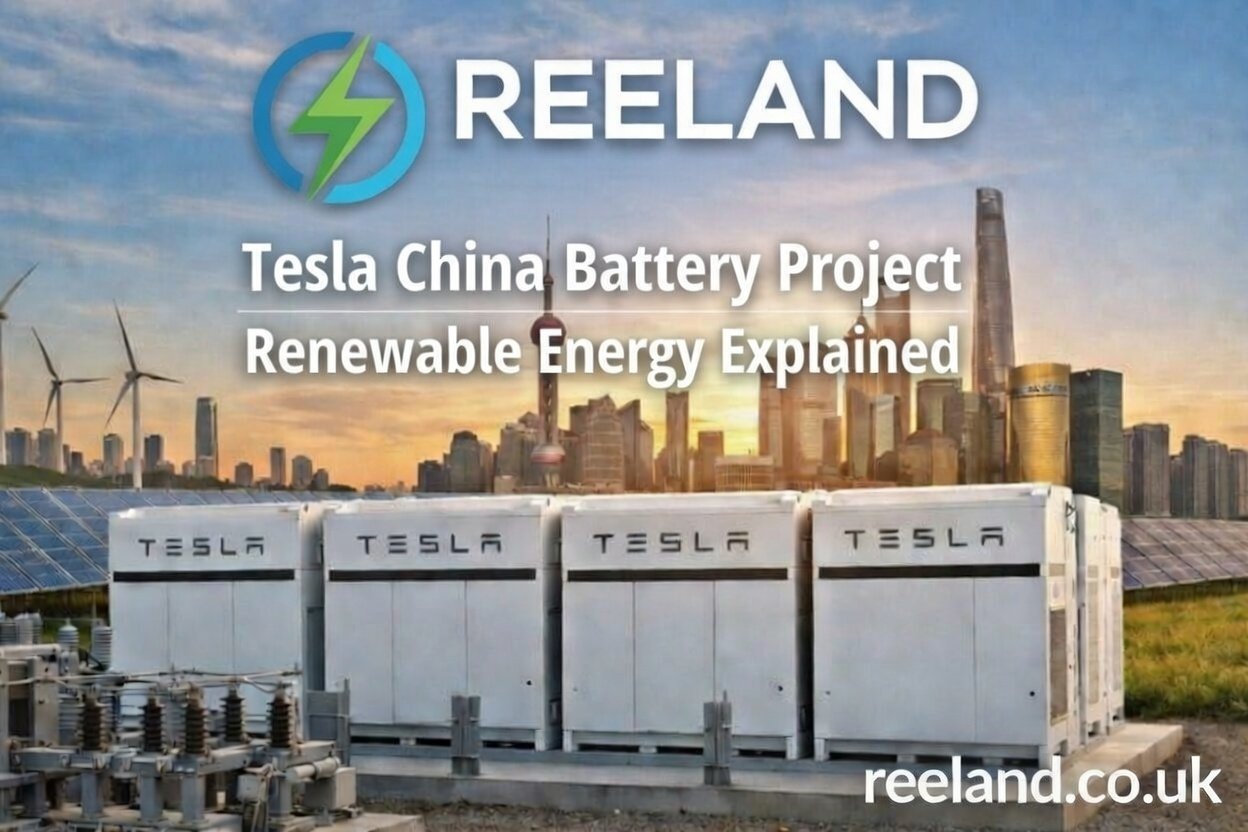
Megapack batteries are Tesla’s utility-scale energy storage systems designed for large projects. Each Megapack unit contains multiple battery modules, integrated inverters, control systems, and advanced thermal and safety management. These systems allow for the storage of renewable energy generated from solar and wind sources, which can then be released to the grid during periods of high demand or when generation is low. Tesla’s energy software ensures optimal battery usage, enabling cities and utilities to manage variable energy supply efficiently and support China’s renewable energy transition.
Shanghai Megapack Factory
The Shanghai Megapack Factory is central to Tesla’s China battery project. Covering over 200,000 square meters, the facility is capable of producing thousands of Megapack units annually. This factory allows Tesla to supply both domestic Chinese utilities and international markets, providing critical energy storage solutions for grid-scale renewable energy integration. The factory strengthens Tesla’s position in Asia, offering a combination of advanced technology, high production capacity, and proximity to China’s largest renewable energy markets.
Grid-Scale Energy Storage Projects in China
Tesla’s battery initiative in China includes the deployment of grid-scale energy storage projects designed to improve electricity reliability. These installations store excess energy generated by renewable sources and release it when needed, smoothing out the fluctuations caused by variable solar and wind power. By integrating large battery systems into the grid, Tesla helps reduce curtailment of renewable energy and ensures consistent power supply, contributing directly to China’s climate goals and energy security strategies.
Impact on China’s Renewable Energy Transition
The Tesla China Battery Project and Renewable Energy’s plays a crucial role in accelerating China’s renewable energy goals. By providing large-scale storage capacity, Tesla enables the grid to accommodate higher levels of solar and wind energy while maintaining stability. These batteries allow cities to manage peak loads, reduce reliance on fossil fuel plants, and optimize the use of clean energy throughout the day. The integration of Tesla’s energy storage technology is a key factor in supporting China’s efforts to reduce carbon emissions and build a more sustainable power system.
Technological Innovation and Smart Energy Management
Tesla’s battery systems are enhanced by advanced software platforms that optimize energy usage. The Megapack ecosystem includes intelligent management tools that monitor performance, manage energy flows, and enable participation in electricity markets. These capabilities allow utilities to balance supply and demand more effectively, integrate renewable energy efficiently, and maximize the value of stored energy. Tesla’s combination of hardware and software innovation is essential for creating smart grids capable of supporting China’s renewable energy expansion.
Tesla China Battery Economic and Strategic Importance
Tesla’s China battery project is strategically important both economically and industrially. The Shanghai factory and associated grid installations create jobs in manufacturing, engineering, and logistics while also fostering local supply chain development for batteries and renewable energy components. Additionally, the project strengthens Tesla’s presence in China, one of the largest energy markets in the world, and demonstrates the company’s commitment to supporting renewable energy adoption at scale.
Tesla China Battery Challenges and Industry Context
While Tesla’s battery project is transformative, it also faces challenges. China is home to leading battery manufacturers such as CATL and BYD, which dominate local production and have strong ties to renewable energy projects. Tesla must maintain technological leadership and cost efficiency to compete effectively. Geopolitical factors and trade dynamics also influence Tesla’s operations, making strategic planning essential for long-term success in China’s energy market.
Future Outlook for Tesla China Battery Project
The future of Tesla’s China battery initiative is promising. Expansion of the Shanghai factory and additional grid-scale energy storage projects will increase production capacity and deployment. Continued innovation in battery technology and energy management software will enhance efficiency, reduce costs, and enable wider adoption. Tesla’s efforts in China are expected to play a major role in the country’s renewable energy landscape, helping integrate renewable sources, stabilize the grid, and support a low-carbon energy future.
Conclusion
The Tesla China Battery Project and Renewable Energy represents a critical step toward a sustainable, renewable-powered grid in China. By manufacturing Megapack batteries locally and deploying them in grid-scale installations, Tesla is supporting the country’s renewable energy integration, improving grid reliability, and contributing to decarbonization goals. This project highlights Tesla’s evolution from an electric vehicle manufacturer to a global leader in clean energy solutions, demonstrating the transformative potential of large-scale battery storage in enabling a renewable energy future.















Leave a Reply