

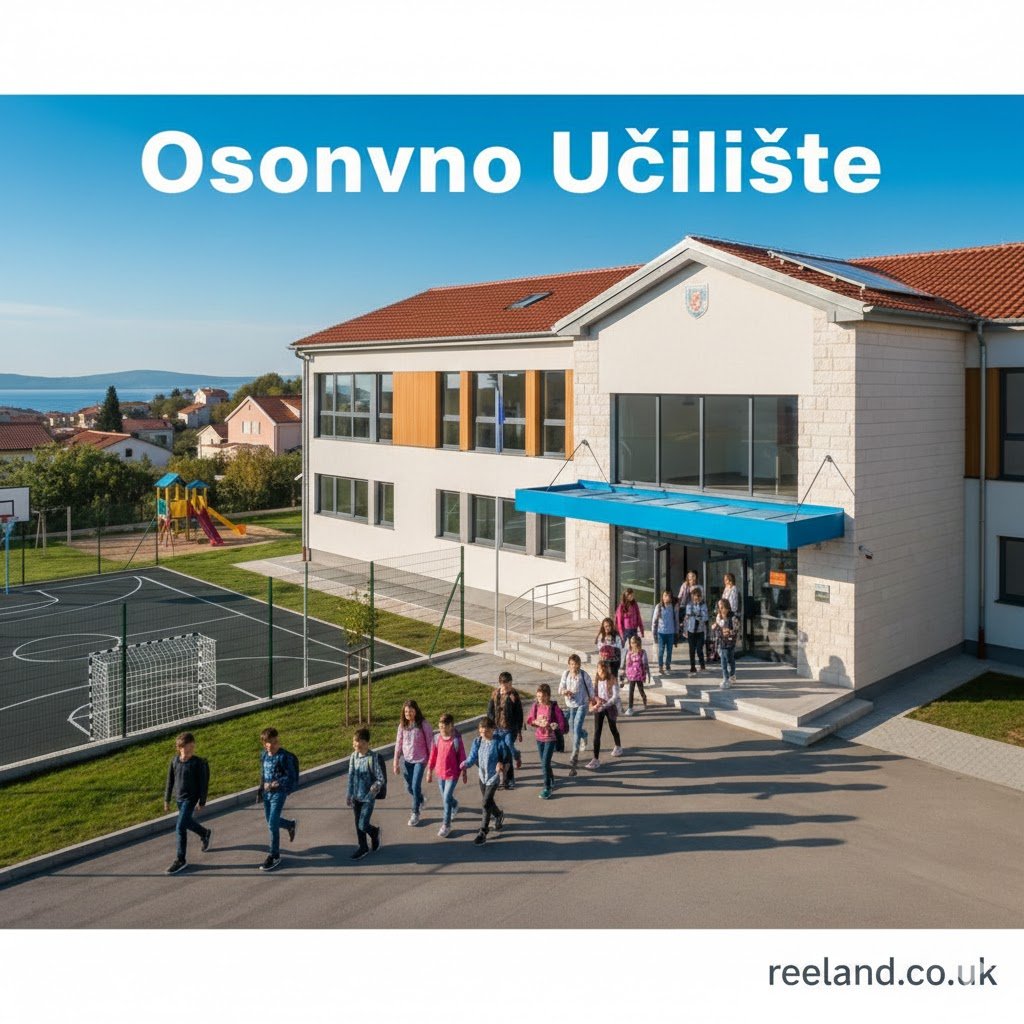
In North Macedonia, osnovno učilište refers to the primary schools that provide education to children from ages 6 to 15. This foundational education system plays a pivotal role in the development of the country’s youth, as it lays the groundwork for further academic achievements and instills essential life skills. This article delves deep into the significance, structure, history, and profiles of some of the key osnovno učilište institutions in the country.
1. What is Osnovno Učilište (Primary School)?
The term “osnovno učilište” in Macedonian translates to primary school. It is the first stage of formal education, which is compulsory for all children in North Macedonia. It covers nine years of schooling and is aimed at children between the ages of 6 and 15. In this stage, students are introduced to the basics of education, including literacy, numeracy, science, and social studies.
Curriculum and Subjects in Osnovno Učilište
The curriculum in an osnovno učilište typically includes:
- Macedonian Language and Literature: Students are taught how to read, write, and understand the national language, along with its literature.
- Mathematics: Basic arithmetic, geometry, and problem-solving skills.
- Science: An introduction to biological, physical, and earth sciences.
- Social Studies: Learning about history, geography, and civic responsibility.
- Arts and Music: These subjects foster creativity and artistic skills.
- Physical Education: Promoting physical health and fitness among students.
- Foreign Languages: English is the most commonly taught second language, but others like French or German are also offered in some schools.
The goal of this curriculum is to ensure that students receive a well-rounded education that prepares them for the future while also encouraging social, emotional, and physical development.
2. The Structure of the Education System in North Macedonia
North Macedonia follows a structured education system that is divided into several stages:
- Preschool Education: This is an optional early childhood education stage for children up to the age of 6.
- Osnovno Učilište (Primary School): The primary stage, which is compulsory and lasts for nine years, typically for children between the ages of 6 and 15. It is divided into three cycles:
- First cycle: Grades 1-3 (ages 6-9)
- Second cycle: Grades 4-6 (ages 9-12)
- Third cycle: Grades 7-9 (ages 12-15)
- Secondary Education: After completing osnovno učilište, students move on to secondary education, which is usually a four-year program either in a general academic school or a vocational school.
- Higher Education: Students who complete secondary education can choose to pursue higher education at universities and other institutions.
The system is designed to provide a comprehensive foundation that allows for continued learning and career development.
3. The Role of the Director
Each osnovno učilište is overseen by a school director (or principal). The director is responsible for the management of the school, including administration, curriculum implementation, teacher coordination, and student welfare. The role of the director is critical in shaping the school’s academic environment and ensuring that students receive the best possible education.
Responsibilities of the School Director
- Academic Leadership: The director works closely with teachers to implement the national curriculum and ensure that it is delivered effectively.
- Administrative Management: Overseeing the school’s operations, including budgeting, staffing, and student records.
- Staff Development: Ensuring that teachers and staff are adequately trained and supported to carry out their roles.
- Parent and Community Engagement: Working with parents and local communities to foster a collaborative environment for the students.
- Student Welfare: Ensuring the well-being of students by implementing discipline, providing support for struggling students, and maintaining a safe learning environment.
The director plays a key role in creating an educational culture that is focused on the growth and success of each student.
4. Notable Osnovno Učilište in North Macedonia
North Macedonia is home to numerous osnovno učilište institutions spread across various cities and regions. Some of the most notable schools in the country include:
1. Osnovno Učilište Goce Delčev
Located in Skopje, this school is named after Goce Delčev, a national hero who fought for the independence of the Macedonian people. The school is known for its excellent academic standards and strong community involvement.
2. Osnovno Učilište Jahja Kemal
This school is named after Jahya Kemal, a prominent figure in Turkish and Macedonian literature. The school focuses on nurturing the academic growth of its students while promoting cultural diversity.
3. Osnovno Učilište Avram Pisevski
Located in Skopje, this school honors Avram Pisevski, a Macedonian writer and journalist. It is recognized for its rigorous academic program and emphasis on Macedonian literature.
4. Osnovno Učilište Blaze Koneski
Named after Blaze Koneski, a renowned Macedonian poet, this school is a symbol of academic excellence in Skopje. It offers a broad range of subjects with a strong focus on the Macedonian language and literature.
5. Osnovno Učilište Bratstvo Edinstvo – Ohrid
This school in Ohrid is one of the oldest in the region, serving the local community with a strong educational foundation. It focuses on both academic learning and community building.
6. Osnovno Učilište Dimitar Makedonski
Another notable school in Skopje, named after Dimitar Makedonski, a revolutionary figure in the history of North Macedonia. The school provides comprehensive education and is well-regarded for its extracurricular activities.
7. Osnovno Učilište Kiro Gligorov
Located in Skopje, this school is named after Kiro Gligorov, the first president of independent North Macedonia. The school has a reputation for its commitment to educational excellence and civic education.
8. Osnovno Učilište Sv. Kliment Ohridski – Bitola & Ohrid
Named after Saint Clement of Ohrid, the school in both Bitola and Ohrid focuses on cultural heritage and literacy. The institution is deeply embedded in the community and emphasizes the Macedonian language and history.
9. Osnovno Učilište Mirče Acev – Skopje
This school, located in Skopje, is named after Mirče Acev, a well-known Macedonian figure in education and culture. It offers a balanced curriculum that encourages both academic achievement and personal growth.
5. Private Primary Schools (Privatno Osnovno Učilište)
In addition to public osnovno učilište schools, North Macedonia also has private primary schools that offer alternative educational models. These schools may follow international curricula or provide bilingual education in addition to the national curriculum.
Benefits of Private Primary Schools
- Smaller Class Sizes: Private schools often have lower student-to-teacher ratios, which can lead to more personalized attention.
- International Curriculum: Many private schools in North Macedonia offer international education models such as the International Baccalaureate (IB) or Cambridge curriculum.
- Language Instruction: Private schools often offer bilingual or multilingual instruction, giving students an edge in today’s globalized world.
- Advanced Facilities: Private schools may have state-of-the-art learning materials, technology, and extracurricular facilities that enhance the student experience.
While private schools charge tuition fees, they are a popular choice for families seeking an alternative to the public education system.
6. Challenges Facing Osnovno Učilište in North Macedonia
Like many countries, the education system in North Macedonia faces several challenges, especially within the primary education sector:
- Unequal Access to Quality Education: While urban areas like Skopje benefit from more resources and better facilities, rural areas may suffer from a lack of funding, teachers, and infrastructure.
- Teacher Training: Ensuring that teachers have the necessary skills to meet modern educational demands is an ongoing challenge.
- Curriculum Modernization: While efforts are being made to incorporate modern teaching methods and technology, there is still room for improvement in how the curriculum adapts to changing global demands.
- Digital Literacy: Despite increasing efforts to integrate digital tools into classrooms, not all students and schools have equal access to technology, hindering the effectiveness of online education and digital skills training.
7. Conclusion
Osnovno učilište plays a vital role in shaping the educational foundation of North Macedonia’s youth. Whether in public or private institutions, primary schools provide the essential building blocks for future academic and personal success. With a curriculum that focuses on both academic learning and personal growth, these schools prepare students for the challenges of secondary education and beyond.
While challenges remain, especially in terms of equitable access to education and modernizing the curriculum, the commitment of teachers, school leaders, and the government ensures that North Macedonia’s primary education system continues to evolve and thrive.
Whether it’s schools like Goce Delčev, Blaze Koneski, or private institutions providing alternative educational models, North Macedonia’s osnovno učilište system remains at the heart of the country’s educational structure, shaping the future of its youth and its society.










Leave a Reply